
Planning a Trip to New Zealand: Where to Go and What to Experience
I’m planning a trip to New Zealand for 2028. I’ve learned the hard way that this isn’t a destination you can research the month before you fly. The distances are bigger than the map makes them look, and flight connections from the US are long. The list of things worth seeing is genuinely overwhelming once you start digging in. So I’m starting the research years out, and putting what I’ve found into one place. This New Zealand Travel Guide is partly for you, and partly so future-me has a single guide to come back to.
Here’s what this New Zealand Travel Guide covers: where to go, when to go, and how to structure a trip that covers the highlights. The goal is to do it without spending half of it in the car.
A trip this far out also means prices and flight routes could shift by 2028. Some of the experiences below could shift too. So treat this as a solid starting framework, not a locked-in itinerary — refine it as the trip gets closer.
How Long You Actually Need
Most guides — including Tourism New Zealand’s official travel site — agree on this even when they disagree on everything else. Two to three weeks is the realistic minimum to see both islands without a trip that’s entirely driving. New Zealand is far from just about anywhere, and the flight itself is long. A shorter trip ends up feeling like you spend most of it in transit rather than actually being somewhere. If you’re short on time, picking one island and doing it properly beats a rushed sprint through both.
A common piece of advice worth repeating: plan for fewer stops covered well. Don’t try to hit every highlight on this list in one trip. New Zealand rewards a slower pace more than a lot of destinations do. Partly, that’s because so much of the appeal is the scenery along the way, not just the endpoint.
Flights and the Journey There
From most of the US, that means a long direct flight to Auckland. Or a connection through Los Angeles or San Francisco. Either way, it’s a long haul: often 12-plus hours in the air, before you cross the international date line. People who’ve made this trip keep repeating the same advice: don’t jump straight into a packed itinerary. Build in a low-key first day or two after arrival to adjust instead. That’s exactly why I’m planning to start in Auckland rather than heading straight into the more demanding South Island driving.
North Island Highlights
- Auckland — most international flights land here, and it’s a reasonable base for a day or two before heading out
- Rotorua — the geothermal region, with bubbling mud pools, hot springs, and significant Māori cultural sites and experiences
- Bay of Islands — a popular spot for sailing, dolphin watching, and beach time in the country’s warmer north
- Wellington — the capital, known for its food scene, museums, and as the jumping-off point for the ferry to the South Island
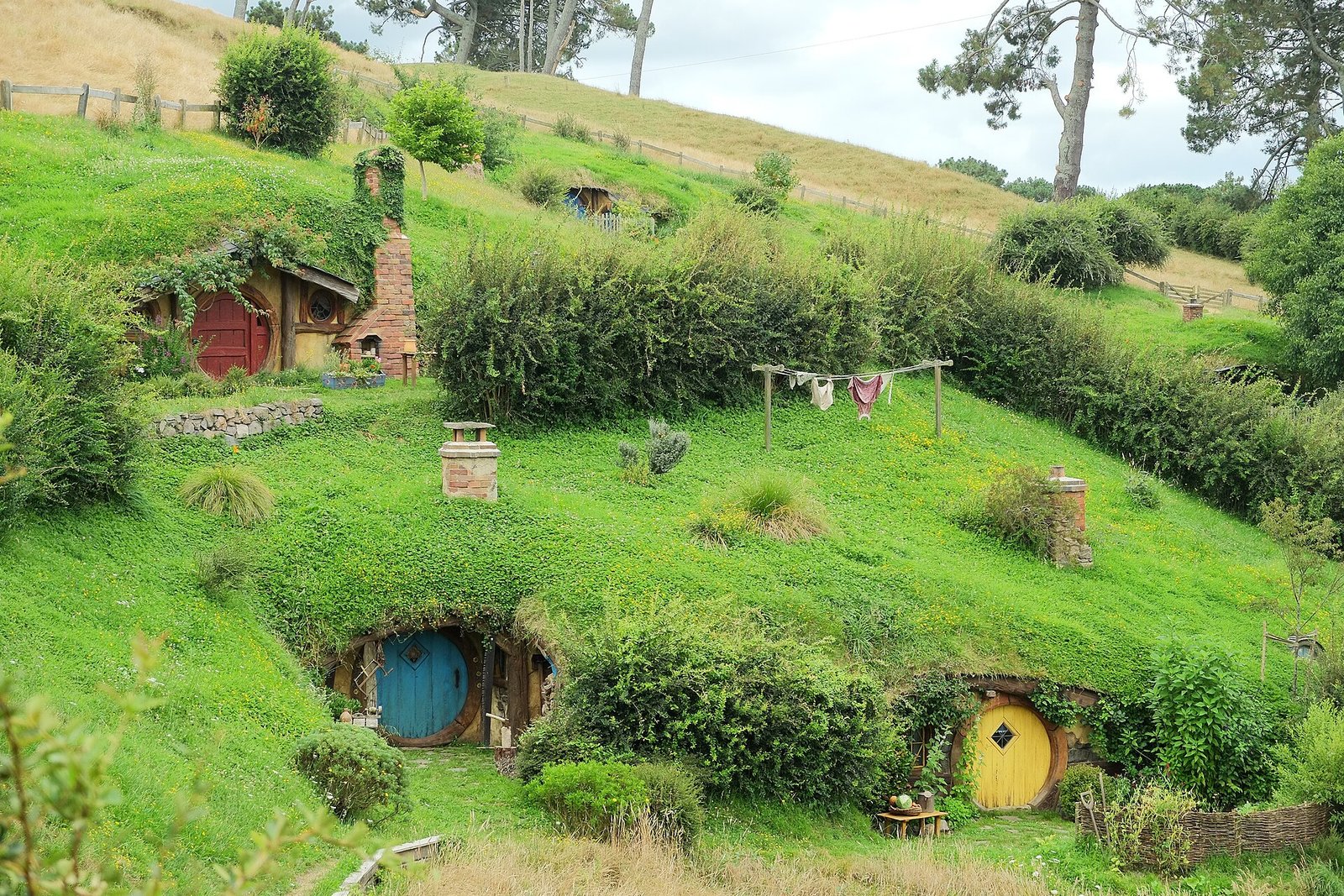
- Hobbiton — the Lord of the Rings movie set near Matamata, still standing and open for tours, genuinely popular even for people who aren’t huge fans of the films
South Island Highlights
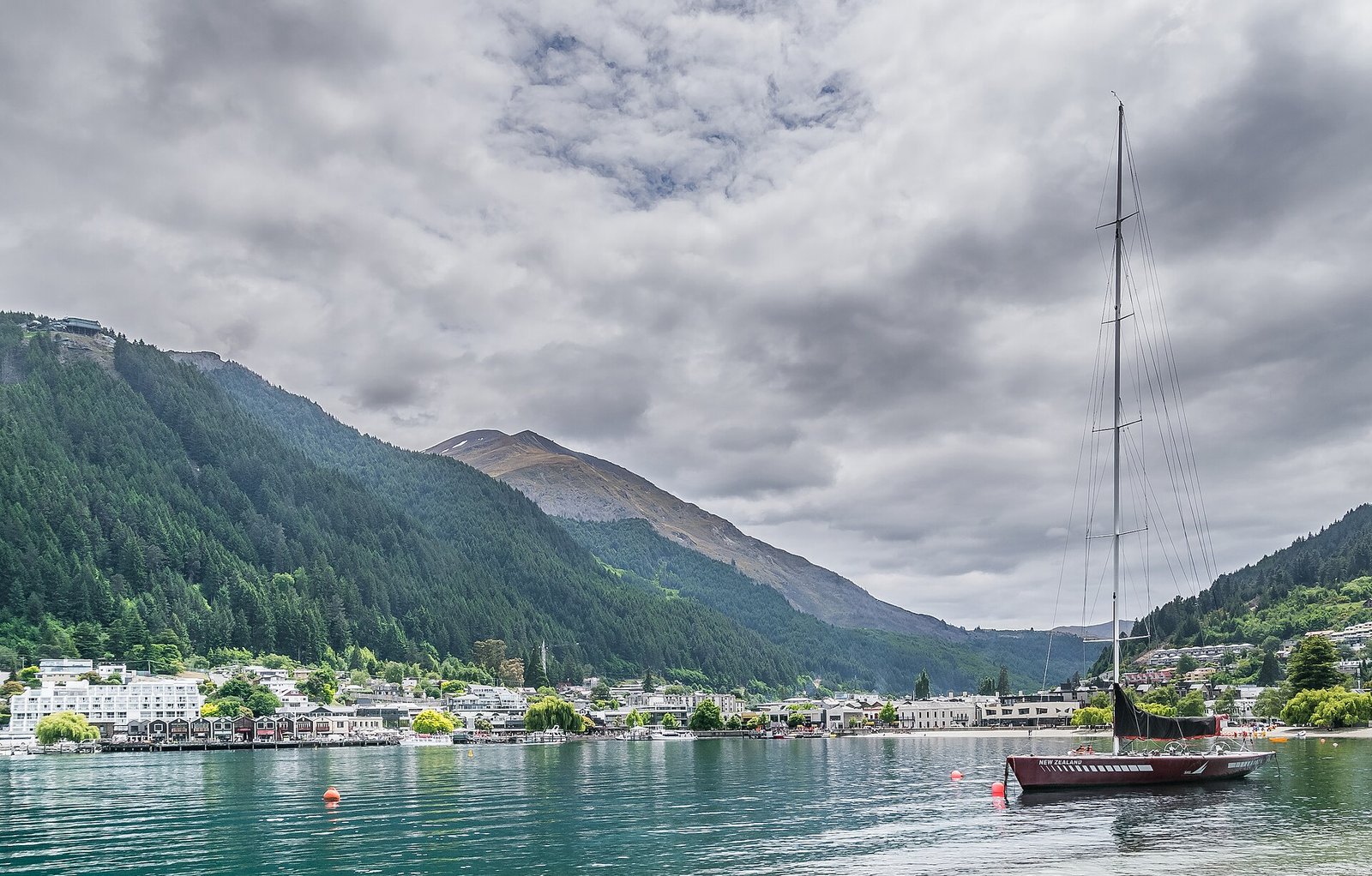
- Queenstown — the adventure sports hub: bungee jumping, jet boating, skiing in winter, and a base for exploring the surrounding region
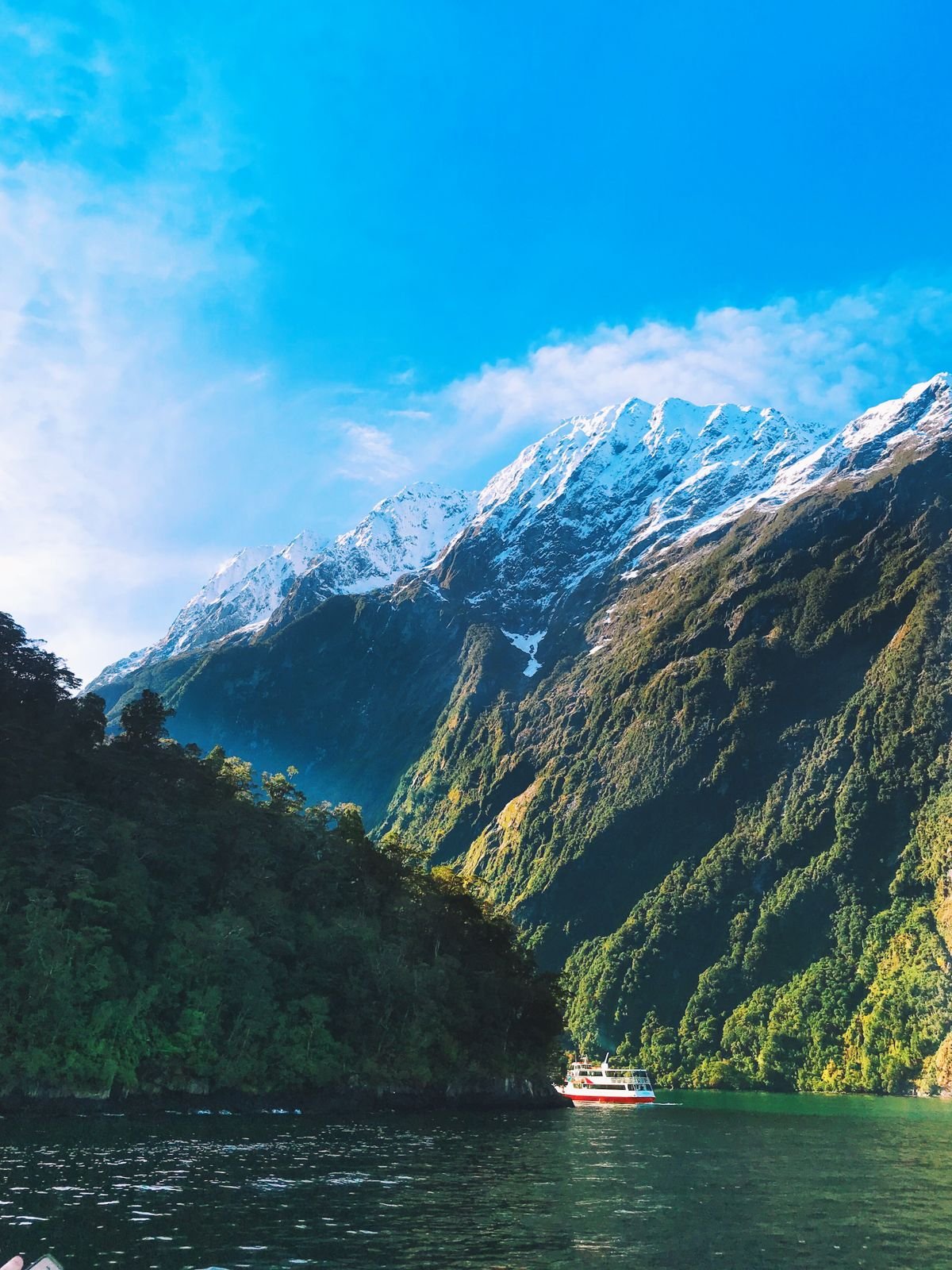
- Milford Sound (Fiordland) — the fjord everyone’s seen in photos, best experienced by boat cruise, and worth the drive even though it’s a long one
- Franz Josef and Fox Glaciers — accessible glacier hikes and scenic flights on the West Coast
- Abel Tasman National Park — coastal trails and beaches at the top of the South Island, popular for kayaking and multi-day hikes
- Aoraki / Mount Cook — New Zealand’s tallest peak, with hiking trails and stargazing in one of the world’s designated dark sky reserves
- Kaikoura — a smaller coastal town known for whale watching and seal colonies right along the highway
The South Island tends to get the bulk of the postcard-worthy scenery, which is part of why a lot of itineraries — including the one I’m currently leaning toward — give it more total time than the North Island.
When to Go
New Zealand’s seasons run opposite the Northern Hemisphere’s, which trips a lot of first-time planners up. Summer runs roughly December through February, and that’s the peak season for good weather and the Milford Sound cruise experience. It’s also when prices and crowds are highest. Shoulder seasons (October–November and March–April) tend to offer a good balance of decent weather and lighter crowds. Winter (June–August) is ski season in areas like Queenstown, but many of the glacier and hiking experiences are more limited.
Getting Around: Renting a Car and Driving on the Left
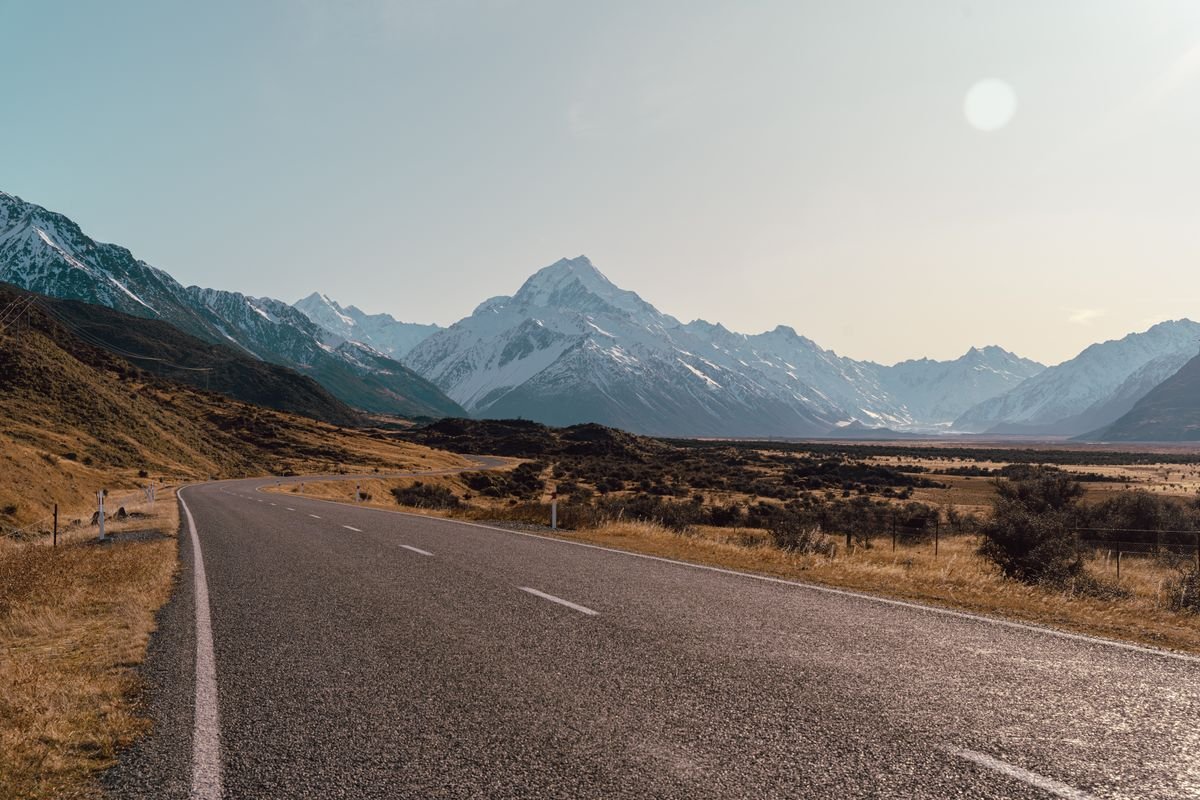
New Zealand drives on the left, same as the UK and Australia. It’s worth practicing in your head before you land. It’s easy to get turned around in an unfamiliar rental car. A rental car, or campervan — a popular option here — is close to essential outside the main cities. There’s not much public transit between regions, and a lot of the best scenery is only reachable by road. Our car rental guide covers general tips that apply here too. It’s worth specifically confirming your rental includes coverage for the more remote, winding roads this country is known for.
Roads outside the main highways are often narrower and windier than what a lot of US drivers expect. That’s part of why drive times so often run longer than a map suggests. It’s worth building real buffer time into any day with more than an hour or two of driving planned.
New Zealand Travel Guide: Where to Stay
Hotels are common in the bigger cities. “Holiday parks” are a New Zealand and Australian staple, offering everything from campsites to full cabins. They’re worth considering for the more rural stretches of a road trip. Whole-home vacation rentals are also widely available. Our VRBO vs. Airbnb comparison is a good starting point for weighing those options against each other before you book.
For a road-trip itinerary, it’s worth mixing accommodation types by region rather than one style for the whole trip. Think a hotel base in Auckland or Queenstown, plus holiday parks for remote stretches. Add a whole-home rental for a longer stay somewhere you want to slow down.
Budgeting for a New Zealand Trip
This New Zealand Travel Guide wouldn’t be much use without real numbers, so here’s the honest breakdown.
This isn’t a cheap destination once you factor in flights. The driving-heavy itinerary most trips require adds up in fuel and rental costs on top of accommodation. Given the length of the flight and the trip itself, it’s exactly the kind of booking worth protecting. Our guide to travel insurance walks through when that’s worth it, and a trip this size is a strong case. It’s worth checking whether any travel credit card you’re considering waives foreign transaction fees. Our travel credit card guide covers this. Every purchase on a trip this length adds up.
Activity costs add up too. Glacier flights, Milford Sound cruises, and adventure sports around Queenstown are all worthwhile but not cheap. So it’s worth picking the handful that matter most, not trying to fit every experience into one budget.
Unique Experiences Worth Planning Around
- Waitomo Glowworm Caves — a boat ride through caves lit by thousands of bioluminescent glowworms, genuinely unlike anything else
- A Milford Sound cruise — the single most recommended single-day experience in the country, and worth building a full day around given the drive in
- A multi-day Great Walk — New Zealand’s official network of long-distance hiking trails, several of which require booking huts well in advance
- Whale watching in Kaikoura — a near year-round opportunity that doesn’t require a special expedition, just a short boat trip from town
Browse tours and activities for these experiences on GetYourGuide →
What I’m Prioritizing for My Own Trip
This New Zealand Travel Guide wouldn’t be complete without admitting what I’m actually prioritizing for my own trip.
With this much time to plan, I’m leaning toward splitting the trip in half, rather than rushing both islands in one pass. The plan: a few days in and around Auckland and Rotorua on the North Island, then heading to the South Island. Milford Sound, Queenstown, and Mount Cook are all close together there, so the South Island gets most of the trip. That’s still a working plan, not a final one, but it’s where the research keeps pointing me as I read more.
Mistakes to Avoid When Planning
- Underestimating drive times. Distances that look short on a map can take hours longer than expected on winding, mountainous roads.
- Booking Great Walk huts too late. The popular multi-day hikes fill up well in advance of peak season — this is one booking that genuinely needs to happen early.
- Trying to do both islands on a short trip. A rushed itinerary tends to mean more time in transit than time actually experiencing anywhere.
- Ignoring the reversed seasons. Packing for a December “winter” trip the way you would at home would be a mistake — it’s peak summer in New Zealand.
Frequently Asked Questions
How far in advance should I book a New Zealand trip?
For a trip built around peak-season experiences or Great Walk huts, six months to a year ahead is reasonable. Flights alone are worth watching well before that.
Do I need a visa to visit New Zealand?
US citizens typically need to apply for an NZeTA (New Zealand Electronic Travel Authority) before arrival. It’s a quick online process, but it’s not automatic. Do it ahead of the trip rather than assuming it’s visa-free.
Is it better to fly or ferry between the North and South Islands?
Both are common — flying is faster, while the Interislander ferry across Cook Strait is scenic. The ferry also lets you bring a rental car across, which matters if you’re doing a full road trip.
How many days should I spend in Queenstown?
Most itineraries budget at least two to three days. That’s because it’s central to reaching Milford Sound, Mount Cook, and the region’s adventure activities.
Is New Zealand expensive compared to other international trips?
It runs on the pricier side once you add up flights, a rental car, and fuel for a road-trip-heavy itinerary. Accommodation options like holiday parks can help offset that.
Related Guides
2-Week New Zealand Itinerary · Car Rentals · VRBO vs. Airbnb · Do You Need Travel Insurance? · Best Travel Credit Cards · Global Entry · North Island vs. South Island · New Zealand Trip Prep · Festivals & Events · Is New Zealand Safe? · Drinking Age & US Chains · Trip Cost Calculator · Packing List Generator · Best Time to Visit