Jet Lag Calculator & Time Zone Tool
Use a Jet Lag Calculator before you go. Crossing several time zones can make the first few days of a trip harder than they need to be. You may arrive in the afternoon ready for bed, wake up at 3 a.m., or feel hungry at completely different times than everyone around you.
Our Jet Lag Calculator helps you see the time difference before you travel so you can start thinking about how your body may adjust.
I like knowing this before I book too much for the first day. If I’m spending the money and time to travel somewhere far from home, I don’t want to plan my biggest excursion for a time when I’m probably going to be exhausted.
Time zone offsets shown are standard time and don't account for daylight saving -- actual local time may be off by an hour depending on the date.
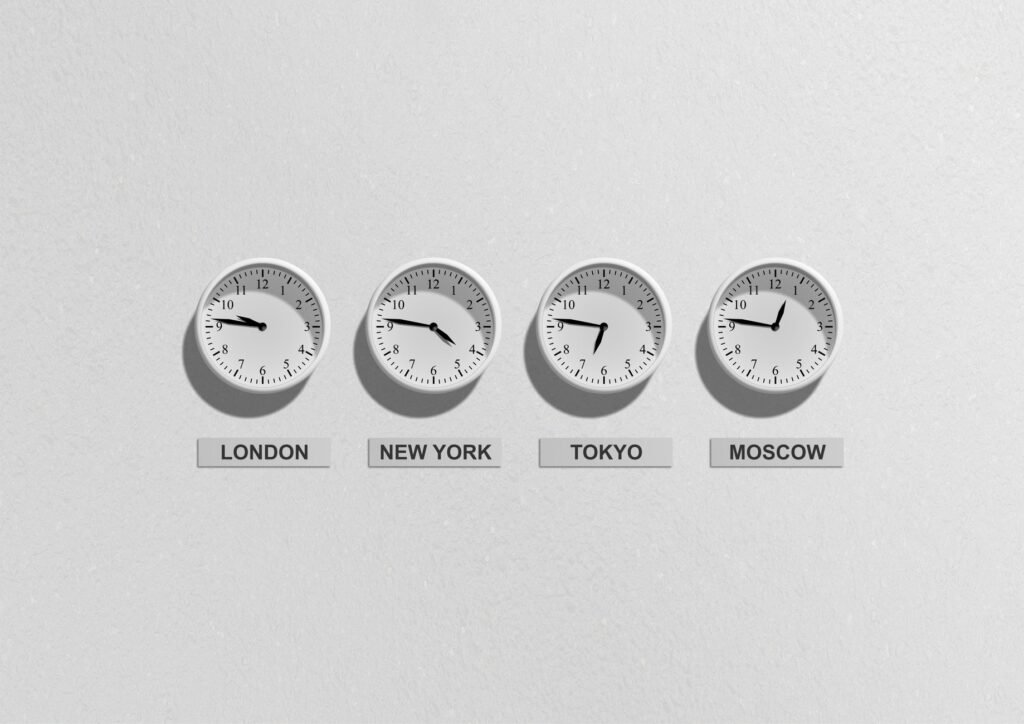
How to Use the Jet Lag Calculator
Start by entering your departure and destination information into the calculator.
The tool helps you compare the time zones and understand what the local time will be when you arrive.
That may sound simple, but it’s easy to underestimate a large time difference when you’re focused on flights, hotels, connections, and everything else involved in planning a trip.
Once you know the difference, you can think about your flight schedule and what you want to do after you arrive.
For me, that’s where this tool becomes useful. It’s not just about knowing that one destination is several hours ahead or behind. It’s about using that information to plan a better first day.
Why Time Zone Changes Can Be So Hard
Your watch can change to the new time immediately. Your body doesn’t necessarily do the same thing.
If it’s 9 a.m. at your destination but your body thinks it’s the middle of the night, you may feel tired even though everyone around you is starting their day.
The larger the time change, the more noticeable that difference can be.
People also adjust differently. One traveler may feel fine after a day, while someone else may need more time.
That’s one reason I wouldn’t plan a trip assuming you’ll feel perfect as soon as you land.
How Many Time Zones Cause Jet Lag?
There’s no exact number that affects everyone the same way.
Crossing one or two time zones may not make much difference for some travelers. Crossing several time zones can be much more noticeable.
Long international trips can be especially challenging because you’re dealing with more than the time difference. You may also have a long flight, airport connections, interrupted sleep, unfamiliar meals, and a completely different daily schedule.
Use the Jet Lag Calculator before booking activities so you can see how large the time change actually is.
Flying East vs. Flying West
The direction you’re traveling can also make a difference.
When you fly east, you’re generally moving your schedule forward. That may mean trying to fall asleep earlier than your body expects.
When you fly west, you’re generally moving your schedule later. You may need to stay awake longer before it’s bedtime at your destination.
Neither direction affects everyone exactly the same way.
The important thing is knowing what you’re dealing with before you arrive.
Before You Leave
You don’t need to completely rearrange your life for a week before every vacation.
If you’re taking a long international trip, though, it can help to start thinking about the destination’s schedule before you leave.
If practical, you may be able to move your bedtime and wake-up time a little closer to the schedule you’ll be following.
I would also look at the actual arrival time when comparing flights.
Two flights can have similar prices but very different arrival times. A flight that gets you to your hotel at a reasonable hour may be worth more to you than one that leaves you exhausted with an awkward arrival.
That’s why I don’t look at airfare based on price alone.
During a Long Flight
Once you’re on the plane, start thinking about the time at your destination.
Changing your phone or watch to the destination time can make that easier.
If it’s nighttime where you’re going, try to rest when you can. If it’s daytime, you may want to stay awake for at least part of the flight instead of sleeping the entire way.
Drink enough fluids and get up and move around when appropriate during a long flight.
Most importantly, don’t expect yourself to follow a perfect jet-lag plan. Flights are unpredictable, seats aren’t always comfortable, and sometimes you simply can’t sleep.
Do what works for you.
What to Do When You Arrive
Once you arrive, start following the local schedule as much as reasonably possible.
Daylight, meals, activity, and sleep all help your body recognize that you’re in a different time zone.
If you arrive during the day, getting outside for a while can also help you start adjusting to the local schedule.
I would be careful about taking a very long nap immediately after arriving. Sleeping for hours during the afternoon may make it harder to sleep that night.
That doesn’t mean you have to force yourself through an exhausting first day.
Sometimes the better plan is simply to keep arrival day easy.
Check into the hotel, unpack, walk around the area, have something to eat, and get settled.
Save the major sightseeing for when you’re more likely to enjoy it.
Don't Waste the First Day of Your Vacation
Arrival time is something I think travelers sometimes overlook when comparing flights.
A cheaper flight isn’t necessarily a better deal if it includes terrible connections or gets you to your destination at a time that makes the first day miserable.
If I’m comparing flights that are fairly close in price, I would look at departure time, connections, total travel time, and arrival time before deciding.
The cheapest fare isn’t always the best value.
This is especially important when you’re planning an expensive international vacation. Losing a day or two because you packed too much into the beginning of the trip can cost more than what you saved on the flight.
Planning Longer International Trips
The Jet Lag Calculator becomes especially useful when you’re crossing a large number of time zones.
If you’re planning a trip to somewhere like New Zealand, for example, the time difference can affect more than your sleep.
You need to understand what day and time you’ll actually arrive, especially when you’re booking hotels, rental cars, transportation, and activities.
Look carefully at the dates on international flight itineraries too. Crossing the International Date Line can make the arrival date look confusing when you’re planning the rest of your trip.
I would check all of this before making nonrefundable reservations.
Give Yourself Some Flexibility
You don’t need to build your entire vacation around jet lag.
You just need to know it’s a possibility.
Use the Jet Lag Calculator to understand the time change, then give yourself a little flexibility at the beginning of a long trip.
I would rather have an easy first evening and wake up ready to enjoy the next day than schedule an expensive activity immediately after a long international flight and spend the whole time wishing I were asleep.
A little planning before you leave can make the beginning of your vacation much more enjoyable.