
How to Book a Hostel: What to Know Before You Go
If you want to know how to book a hostel well, start by understanding that it’s different from booking a hotel. The room types are different, and the review signals that matter are different too. A few small mistakes can turn a good hostel into a rough night.
If you’re still deciding whether hostels make sense for your trip, our Are Hostels Worth It? guide covers that first. This one assumes you’ve already decided and just want to book well.
Dorm vs. Private Room: What's the Difference
Most hostels offer both dorm beds and private rooms, and the difference matters more than the price gap suggests.
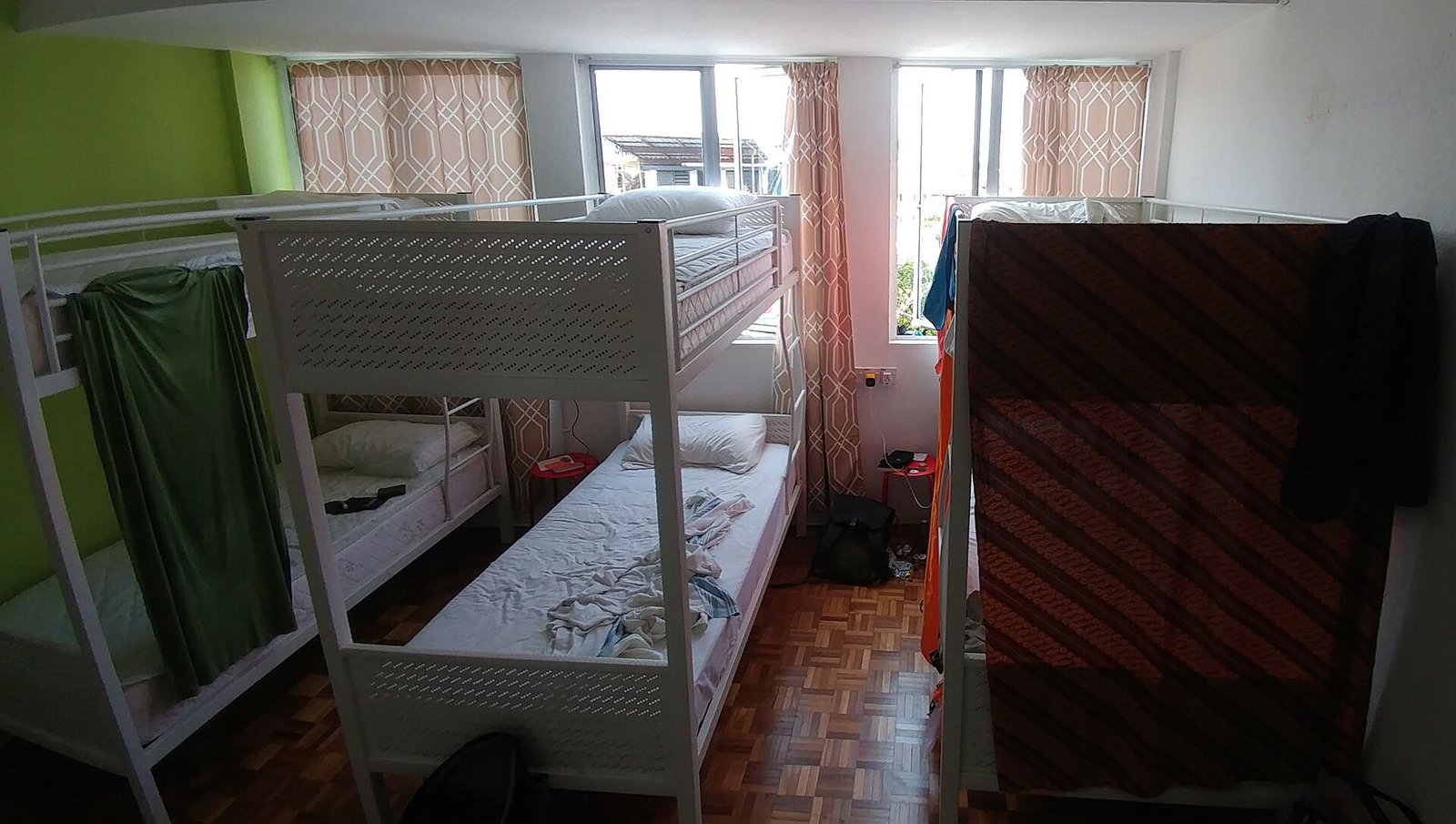
Dorms are shared rooms, usually bunk beds, split by gender or mixed. They’re the cheapest option and the easiest way to meet other travelers, but you give up privacy and control over noise.
Private rooms cost more, sometimes close to a budget hotel, but you get your own space and a lockable door. Many hostels also offer private rooms with a shared bathroom down the hall, which splits the difference on price.
What to Look for in Reviews
Hostel reviews matter more than hotel reviews, since the experience varies more by property. A few things worth checking specifically:
Look at review volume as well as rating. A 9.0 from 40 reviews is less reliable than an 8.5 from 800.
Search reviews for the word “noise” or “quiet.” This is the single most common hostel complaint, and it doesn’t always show up in the overall score.
Check how recent the reviews are. Hostels change management and quality more often than hotels do.
Where to Book a Hostel: Hostelworld and Alternatives
Hostelworld is the largest hostel-specific booking platform. It’s usually the best starting point, since it specializes in hostel search and filtering.
Booking.com also lists most hostels alongside hotels. It’s worth a quick price comparison before booking, since rates occasionally differ between platforms for the same property.
Booking directly through a hostel’s own website sometimes saves a small commission fee. But you lose the review aggregation and buyer protection that come with a booking platform. Comparing a couple of these before you book a hostel only takes a few minutes and can save real money.
Understanding Cancellation Policies
Cancellation policies vary more between hostels than they do between hotel chains. It’s worth reading the policy before you book, not after something changes.
Free cancellation up to 24 or 48 hours before check-in is common. But some hostels, especially during peak season, require payment upfront with no refund.
If your plans are still flexible, filter for free cancellation specifically rather than assuming it’s standard.
Hostel Safety Basics
Hostels are generally safe, but a few habits make a real difference:
Bring your own padlock. Most hostels provide lockers, but not always the lock itself.
Keep valuables — passport, cards, electronics — in the locker, not in your bag on the bed.
Check the hostel’s location relative to the areas you’ll actually be visiting, not just the map’s city center marker. Some budget hostels trade a longer walk or transit ride for a lower price.
If you’re traveling internationally, it’s also worth checking your destination’s travel advisories at travel.state.gov before you go.
What to Pack for a Hostel Stay
A few items make dorm-style stays noticeably easier:
Earplugs and an eye mask, for the inevitable early riser or late arrival in a shared room.
A quick-dry towel, since many hostels charge a rental fee or don’t provide one at all.
A padlock, covered above, but worth repeating since it’s the one thing people most often forget.
Check-In Tips and Hostel Etiquette
Most hostels have a set check-in window. Arriving outside it, especially late at night, can mean an empty front desk. Confirm the check-in hours before you travel, particularly for smaller, independently run hostels.
Once you’re in a shared room, a few etiquette basics go a long way. Pack and unpack quietly, use headphones, and keep your things contained to your bunk area. Don’t spread across the room.
When to Book: Timing and Pricing
Hostel pricing moves with demand more than hotel pricing does, especially in smaller or seasonal destinations. Booking a few weeks out is usually enough outside of peak season.
During major events, holidays, or a destination’s peak travel months, popular hostels can sell out well in advance. If your dates are fixed, book earlier than you think you need to.
Common Amenities to Check For
Not all hostels include the same basics, so it’s worth checking the listing rather than assuming.
Wifi is close to universal now, but speed and reliability vary a lot outside major cities. Laundry facilities are common in hostels that cater to longer-stay backpackers, less so in ones aimed at short city stays.
Some hostels include a basic breakfast, others charge for it separately, and a few don’t offer it at all. Check before you factor it into your budget.
A handful of hostels still enforce a curfew or lock the front door overnight. It’s rare, but worth ruling out if you’ll be out late.
Solo Travelers vs. Groups
Solo travelers get the most out of hostels, both financially and socially. Hostels price dorms around single travelers, and common areas make it easy to meet people without effort.
Groups of two or more usually save more with a private room than splitting a dorm, once you compare the total cost. It also guarantees you’ll actually be in the same room.
If your group is larger than four, check whether the hostel can put you all in one room. Otherwise, expect to be split across multiple bookings.
Frequently Asked Questions
Is it worth paying more for a private room in a hostel?
If light sleep or privacy is important to you, yes. Otherwise a dorm bed gets you the same location and amenities for less.
Do hostels have age limits?
Some do, particularly party-oriented hostels aimed at younger travelers. Check individual listings rather than assuming — plenty of hostels welcome all ages.
Can couples or families book a hostel?
Yes, most hostels offer private rooms for two or more people, and some have family rooms specifically. Dorms are typically single travelers only.
What’s included in a typical hostel stay?
Usually bedding and access to shared spaces like a kitchen or common room. Towels, lockers, and breakfast vary by property and are worth checking before you book.