
A 2-Week New Zealand Itinerary: Where to Go Each Day
This is the itinerary I keep coming back to while planning my own 2028 trip. It’s built around the same research as my main New Zealand guide, but broken into a day-by-day plan you can actually follow.
Two weeks is enough time to see both islands without rushing. It’s not enough time to see everything — nobody has that kind of time in New Zealand. This plan focuses on the highlights that come up again and again in trip reports. Think Rotorua’s geothermal areas, Milford Sound, Queenstown’s adventure scene, and the glaciers on the West Coast.
Treat the days below as a framework, not a locked schedule. Weather, especially on the West Coast and around Milford Sound, can shift plans fast.
How This Itinerary Is Structured
This route runs Auckland to Christchurch, roughly a week on each island. It’s a one-way loop, not a round trip, so you’ll want to book flights into Auckland and out of Christchurch.
Driving connects almost every stop. Our car rental guide covers what to look for when booking. It’s worth confirming your rental includes coverage for the more remote roads this itinerary covers.
Car or Campervan?
For this itinerary, I’d book a regular rental car over a campervan. Three real cities are on this route — Auckland, Wellington, and Queenstown. A large vehicle is a genuine hassle to park in any of them.
The Milford Road and the glacier roads on the West Coast are narrow and winding too. They’re stressful enough in a rental car, and worse in something the size of an RV.
Freedom camping has also tightened up in recent years. Most councils now require a certified self-contained vehicle, and they restrict where you can park overnight for free. So the “camp anywhere” appeal isn’t what it used to be.
A campervan does make sense for some trips. If you’re spending three weeks or more mostly in rural areas, it’s a different calculation — collapsing lodging and transport into one cost is a real advantage then.
For a two-week trip built around three city anchors, a car is the simpler choice. See our car rental guide for what to look for when booking. The holiday parks and motels already in this itinerary work fine alongside it.
Days 1–2: Auckland
Land in Auckland and give yourself a slow first day. The flight from the US is long, and jumping straight into a packed schedule rarely works well.
Use day two to explore the city at an easy pace. The waterfront, Auckland Museum, and Mount Eden are all worth a few hours each. This is also a good day to pick up your rental car for the rest of the trip.
Days 3–4: Rotorua and Hobbiton
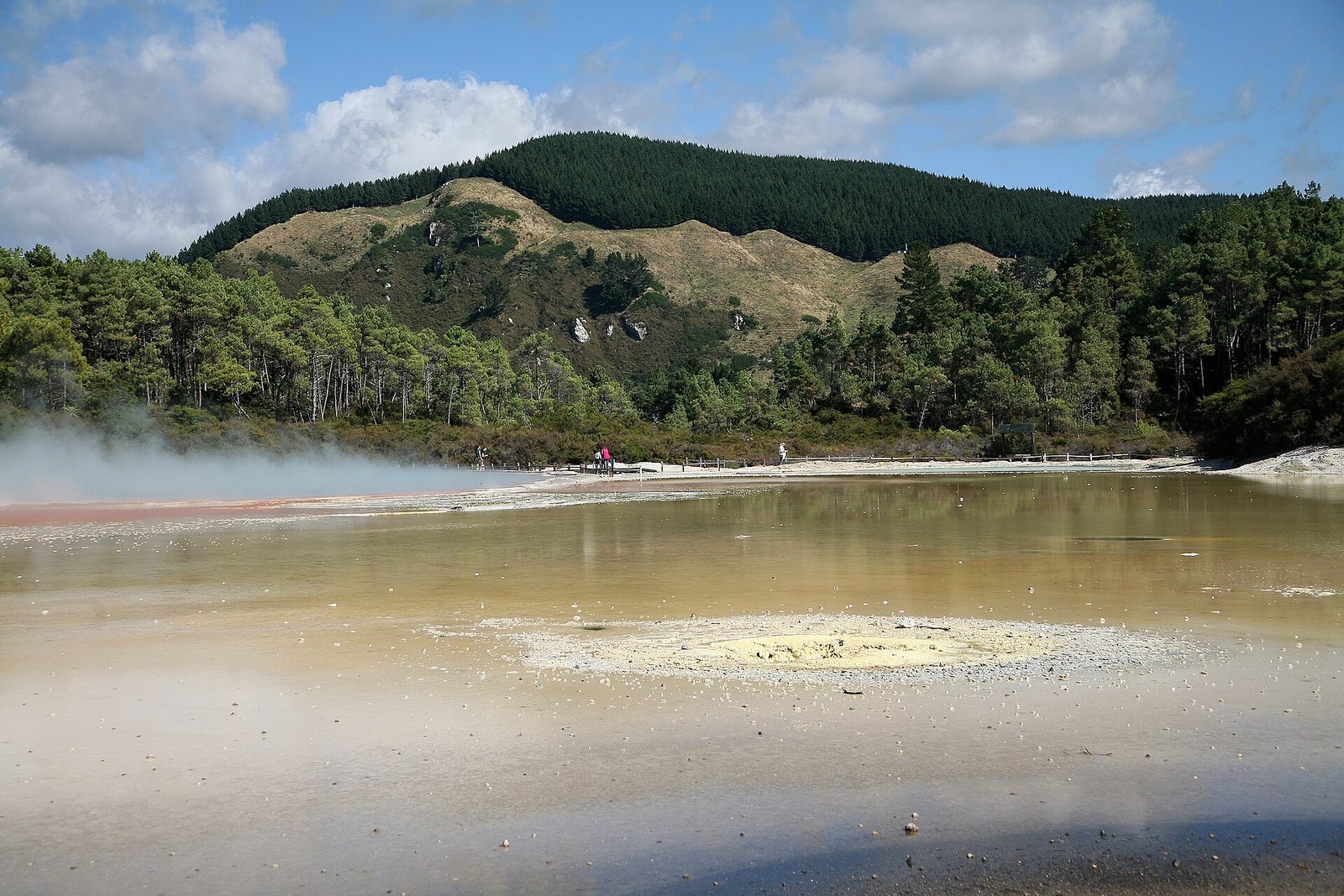
Rotorua is about a three-hour drive from Auckland. It’s the geothermal region — think bubbling mud pools and hot springs. Steam rises out of the ground in random spots around town too.
Book a Hobbiton tour for one of these two days if the movie set interests you. It’s close enough to fit into a Rotorua-based day trip. Budget a half-day for the tour itself, plus travel time.
For where to stay, see our Best Hostels in Rotorua guide.
Day 5: Wellington
Drive south to Wellington, New Zealand’s capital. It’s a smaller, walkable city known for its food scene. Te Papa, the national museum, is worth a few hours on its own.
This is also where you’ll catch the Interislander ferry to the South Island. Treat Wellington as a one-night stop before the crossing.
For where to stay, see our Best Hostels in Wellington guide.
Day 6: Ferry Crossing and Nelson or Picton
The Interislander ferry crosses Cook Strait in a few hours. It’s scenic enough to be worth the trip on its own. Bring your rental car across — you’ll need it for the rest of the itinerary.
Spend the night in Picton or continue on to Nelson, depending on how the day’s timing works out. Both are reasonable, low-key bases for one night.
Days 7–8: Abel Tasman and the Drive to the West Coast
If you have any flexibility in the schedule, a day in Abel Tasman National Park is worth adding here. Kayaking or a coastal walk are both popular ways to see it.
From there, it’s a long drive down the West Coast toward Franz Josef and Fox Glacier. The roads are narrower and windier than what a lot of US drivers expect, so build in extra time.
Days 9–10: Franz Josef and Fox Glaciers
These two glacier towns sit close together on the West Coast. Most visitors base themselves in one and day-trip to the other. Scenic flights and guided glacier hikes are the main draws here.
Weather affects glacier flights more than almost anything else on this itinerary. It’s worth building in a buffer day if the forecast looks unreliable.
For where to stay, see our Best Hostels in Franz Josef and Fox Glacier guide.
Days 11–12: Queenstown
Queenstown is New Zealand’s adventure sports hub — bungee jumping, jet boating, and winter skiing all call it home. It’s also just a genuinely scenic town to spend a couple of days in.
This is a good base for exploring the surrounding region. It’s also close enough to Milford Sound to fit that trip in from here.
For where to stay, see our Best Hostels in Queenstown guide.
Day 13: Milford Sound
Milford Sound is the single most recommended day trip in the country. The drive in is part of the experience. Budget a full day for this one, given the distance from Queenstown.
A boat cruise is the standard way to see the fjord. Book ahead if you’re traveling during peak season, since cruises can fill up.
Day 14: Lake Tekapo, Mount Cook, and Christchurch
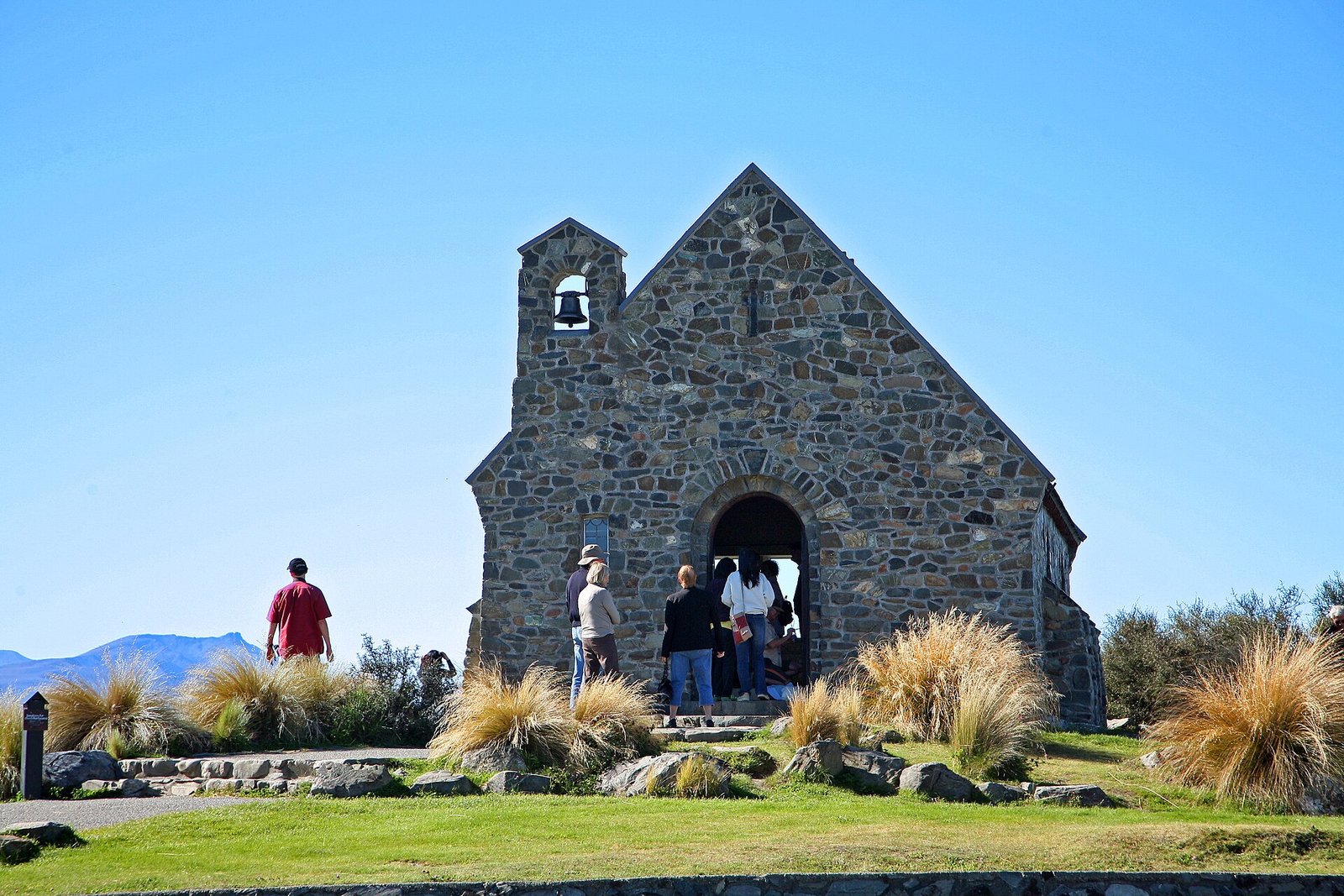
On the way to Christchurch, Lake Tekapo and Aoraki / Mount Cook are worth the detour. Lake Tekapo sits in one of the world’s designated dark sky reserves. It’s worth timing this stop for a clear night if your schedule allows it.
From there, it’s a few hours on to Christchurch for your flight out.
Budgeting for This Itinerary
This route leans heavily on driving, so fuel and rental costs add up on top of accommodation. Our travel insurance guide walks through when insurance is worth it for a trip like this. Two weeks of activity bookings is a strong case for it.
Activity costs are the other big variable — glacier flights, Milford Sound cruises, and adventure sports in Queenstown aren’t cheap individually. Pick the few that matter most rather than trying to fit everything in.
How to Adjust This Itinerary
Short on time? Cut the North Island down to Auckland and Rotorua only. Spend the extra days on the South Island instead — it gets the bulk of the scenery most people come for.
Have more than two weeks? Add a multi-day Great Walk. Or slow down the West Coast and Queenstown legs instead of rushing through them.
Where to Stay Along the Route
Book accommodation as you go rather than locking in every night months out. Plans on a two-week road trip shift more than you’d expect. That said, book Queenstown and the Milford Sound cruise early if you’re traveling in peak season, since both fill up fast.
Mix accommodation types to match the pace of each leg. A hotel works fine in Auckland or Wellington, but a holiday park or motel makes more sense for one-night stops like Picton or Franz Josef. Our VRBO vs. Airbnb guide is worth a look if you’d rather book a whole-home rental for a longer stay.
Why I'm Building My Own Trip Around This Route
This route is close to what I’m planning for my own 2028 trip, with one change. I’m giving Queenstown three nights instead of two, since it’s the base for both Milford Sound and a handful of adventure activities I don’t want to rush.
The version above is the framework. The exact stops will likely shift a little as flight prices and availability firm up closer to 2028.
Frequently Asked Questions
Is two weeks enough time for New Zealand?
It’s enough to see both islands without spending the whole trip in transit. It’s not enough to see everything — plan on picking highlights rather than trying to fit in every stop.
Should I rent one car for the whole trip?
Yes, for this itinerary. You’ll need it on both islands. The ferry crossing lets you bring it across rather than renting twice.
What’s the best time of year to do this itinerary?
Shoulder season — October–November or March–April — tends to offer the best balance of good weather and lighter crowds. See our main New Zealand guide for a full breakdown of seasons.
Do I need to book Milford Sound and glacier activities in advance?
During peak season, yes. Both can fill up, especially Milford Sound cruises and glacier scenic flights.
Related Guides
Planning the rest of the trip? These guides cover the pieces that make an itinerary like this actually work: our New Zealand Travel Guide, Car Rentals, VRBO vs. Airbnb, Do You Need Travel Insurance?, and Best Travel Credit Cards., and North Island vs. South Island, and New Zealand Trip Prep, and Festivals & Events, and Is New Zealand Safe?, and Drinking Age & US Chains, and Trip Cost Calculator, and Packing List Generator