
How to Actually Find Cheap Flights
I used to book the first flight that looked reasonable, close the laptop, and tell myself I’d gotten a decent deal. Then a friend showed me the same route, same dates, booked for almost $200 less. I realized I’d just been guessing the whole time.
I started paying attention to how cheap flights actually get found after that. It turns out most of the advice floating around is either outdated, exaggerated, or flat-out myth. Here’s what actually moves the needle on flight prices, and what doesn’t. Here are the tools I actually use, instead of the ones everyone talks about.
None of what follows is a secret trick or a loophole. It’s mostly just paying attention to how pricing actually works. Most people repeat outdated advice so often that it starts to feel true.
Does It Matter When You Book Cheap Flights?
The old advice was to book on a Tuesday afternoon. That advice is mostly outdated at this point. Airline pricing is driven by real-time demand algorithms now, not a weekly reset schedule, and any day-of-week discount that used to exist has largely disappeared as pricing has gotten more dynamic and automated.
What still holds up: booking too last-minute or too far in advance both tend to cost more than booking in the middle of that window. For most domestic routes, that’s roughly one to three months out, and a bit further ahead for international trips.
International trips tend to reward booking a bit further ahead than domestic ones. That’s partly because international fares have more complex pricing tiers, and partly because popular routes and seasons can sell through the cheaper tiers faster.
How Flight Pricing Actually Works
Airlines use dynamic pricing that adjusts based on how a specific flight is selling, not a fixed schedule. Seats are sold in pricing tiers, and as the cheaper tiers sell out, the displayed price climbs. That’s why the same search can show a different price an hour later, even with nothing else changing.
This is also why comparing prices across a few different days near your target dates tends to surface better deals than repeatedly refreshing the same single search, rather than fixating on one exact date.
A flight can look cheap one day and pricier a week later, even with no seats sold in between. Algorithms adjust based on a mix of historical demand patterns, competitor pricing, and how far out the departure date is. Not just actual bookings on that specific flight.
Tools That Actually Help You Find Cheap Flights
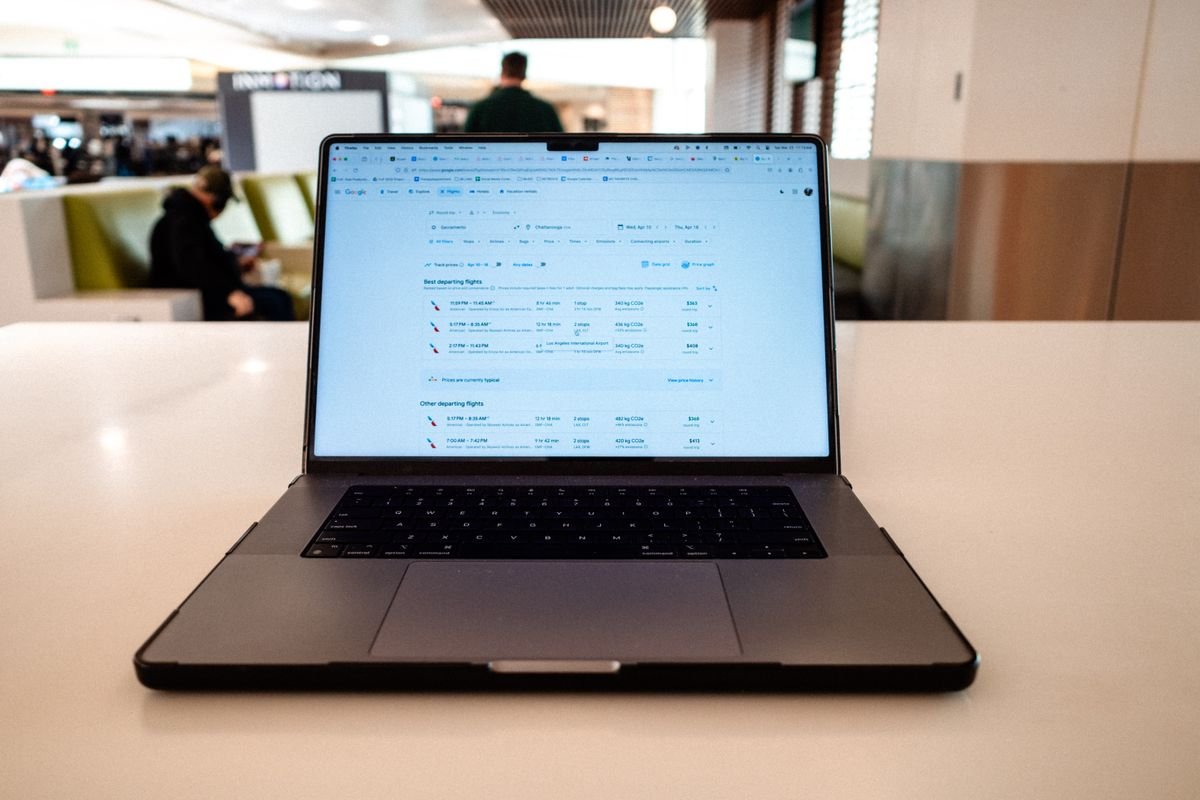
- Google Flights. The flexible date grid and price graph are genuinely useful for spotting cheaper days near your target dates without manually checking each one
- Fare alert tools. Set a price alert for your route and let it notify you instead of manually checking every day; this is the single habit that’s saved me the most money with the least effort
- ITA Matrix. More complex to use, but useful for seeing the full breakdown of fare rules and routing options that simpler search tools sometimes hide
Ready to compare live prices for your route? Search flights and compare fares to see current pricing.
Setting Up Fare Alerts the Right Way
A fare alert only works if it’s actually specific enough to be useful. A few habits that make them worth setting up:
- Set an alert for a date range, not just one exact date. This catches the cheaper days nearby that a single-date alert would miss entirely
- Set a second alert for a nearby airport if you have more than one within a reasonable drive. The price difference between two regional airports can be substantial for the same trip
- Don’t wait for the “perfect” price. Once an alert shows a price meaningfully below what you’ve seen for that route, that’s usually the moment to book rather than hold out for something even lower
- Set alerts a few months before you actually need to travel, not the week before, so you have enough runway to actually act on a good price when it shows up
Incognito Mode Doesn't Do What People Think
The idea that airline sites raise prices based on your search history and that incognito mode prevents it is mostly a myth at this point. Major booking sites have said this isn’t how their pricing works, and independent testing has generally failed to find consistent evidence of it. Price changes you see between searches are almost always inventory-based dynamic pricing, not personalized targeting. Incognito mode doesn’t hurt, but it’s not the trick people think it is.
A few things actually cause the price to shift between visits. Someone else might book one of the remaining seats in your fare tier. The airline might adjust pricing based on updated demand data. Or simply enough time has passed that the algorithm has recalculated. None of that has anything to do with whether you’re browsing privately.

Flexible Dates and the "Cheapest Month" Trick
This one actually works. If your travel dates have any flexibility at all, searching a full month or using a flexible-date calendar view will often reveal a specific day or two that’s noticeably cheaper than the days around it. Sometimes by more than the cost of adjusting your whole trip by a day or two.
This is consistently one of the highest-value habits for saving money on flights, more reliable than almost any other single trick. Flying midweek instead of on a Friday or Sunday is part of why this works. Leisure travel demand clusters heavily around weekends, so weekday flights on the same route are often priced lower, simply because fewer people are trying to book them.
Budget Airlines: What You’re Actually Trading
A budget airline’s headline fare often looks dramatically cheaper. But the real comparison has to include baggage fees, seat selection fees, and sometimes even fees to print a boarding pass at the airport instead of at home. By the time all of that gets added in, a budget carrier isn’t always actually cheaper than a full-service airline for the exact same trip. If you’re checking a bag and want a specific seat, run the full comparison before assuming the low headline fare wins.
Schedule reliability is worth factoring in too. Budget carriers sometimes operate fewer daily flights on a given route, which means a cancellation or delay can strand you longer than it would on an airline with more frequent departures to rebook onto.
Points and Miles vs. Cash
For some routes, especially international or last-minute bookings, redeeming points or miles can be worth significantly more than paying cash. Sometimes two or three times the value per point compared to a routine domestic economy redemption. Our guide to flying with points breaks down how to figure out when a points redemption is actually a good deal versus when cash is the better call. Our guide to travel credit cards covers which cards actually earn points worth redeeming this way.
A quick gut check that works without doing detailed math: divide the cash price of the flight by the number of points a redemption would cost. If that comes out well above the cent-per-point value you’d normally expect, it’s usually a good redemption. If it’s well below, cash is probably the better call.
Booking Directly vs. Through a Third Party
Third-party sites are genuinely useful for comparing prices across airlines in one place. But booking directly with the airline usually makes changes, cancellations, and customer service issues meaningfully easier to resolve. My general approach: use a comparison tool to find the best price and routing, then check whether the airline’s own site matches it before booking elsewhere. Often it does, and the direct booking is worth the small amount of extra effort.
Travel credit cards that include trip protections, covered in our travel credit card guide, sometimes only apply their strongest benefits when you book directly with the airline rather than through certain third parties. That’s one more reason it’s worth checking the direct price before defaulting to whichever site you searched on first.
Mistakes I've Made Chasing Cheap Flights
- I booked the first decent price I saw instead of checking a flexible date range. That one habit change has probably saved me more than any single “trick” I’ve tried.
- I assumed a budget airline’s fare was automatically the cheapest option. After adding a checked bag and a seat selection, it wasn’t. A full-service airline’s all-in fare was actually lower for that specific trip.
- I booked through a third party for a complicated multi-city trip and had a rough time getting a schedule change resolved. For anything with more moving parts than a simple round trip, I book directly now.
- I ignored fare alerts because I assumed I’d remember to check back manually. I didn’t, and missed a genuinely good price on a route I ended up booking a month later for more.
Cheap Flights: Frequently Asked Questions
Is there really a best day of the week to book flights?
Not reliably anymore. Dynamic, real-time pricing has mostly erased whatever weekly pattern used to exist.
How far in advance should I book?
For most domestic trips, roughly one to three months out tends to be the sweet spot; international trips often benefit from booking a bit further ahead.
Do flight prices really change based on my search history?
Not in the way the myth suggests. Price changes you see are almost always inventory-based dynamic pricing, not personalized targeting based on your searches.
Are budget airlines actually cheaper?
Sometimes, but not always once baggage and seat fees are added in. It depends on how you’re flying, so it’s worth comparing the full cost, not just the headline fare.
Is it better to book directly with an airline or through a third-party site?
Third-party sites are great for comparison shopping; booking directly often makes changes and customer service easier if something goes wrong.
Does clearing my cookies actually lower flight prices?
No. This is the same myth as the incognito mode idea, and it doesn’t reflect how airline pricing actually works. Price changes are inventory-based, not tied to your browser history.