
Are Hostels Worth It? What a Night in Norway Taught Me
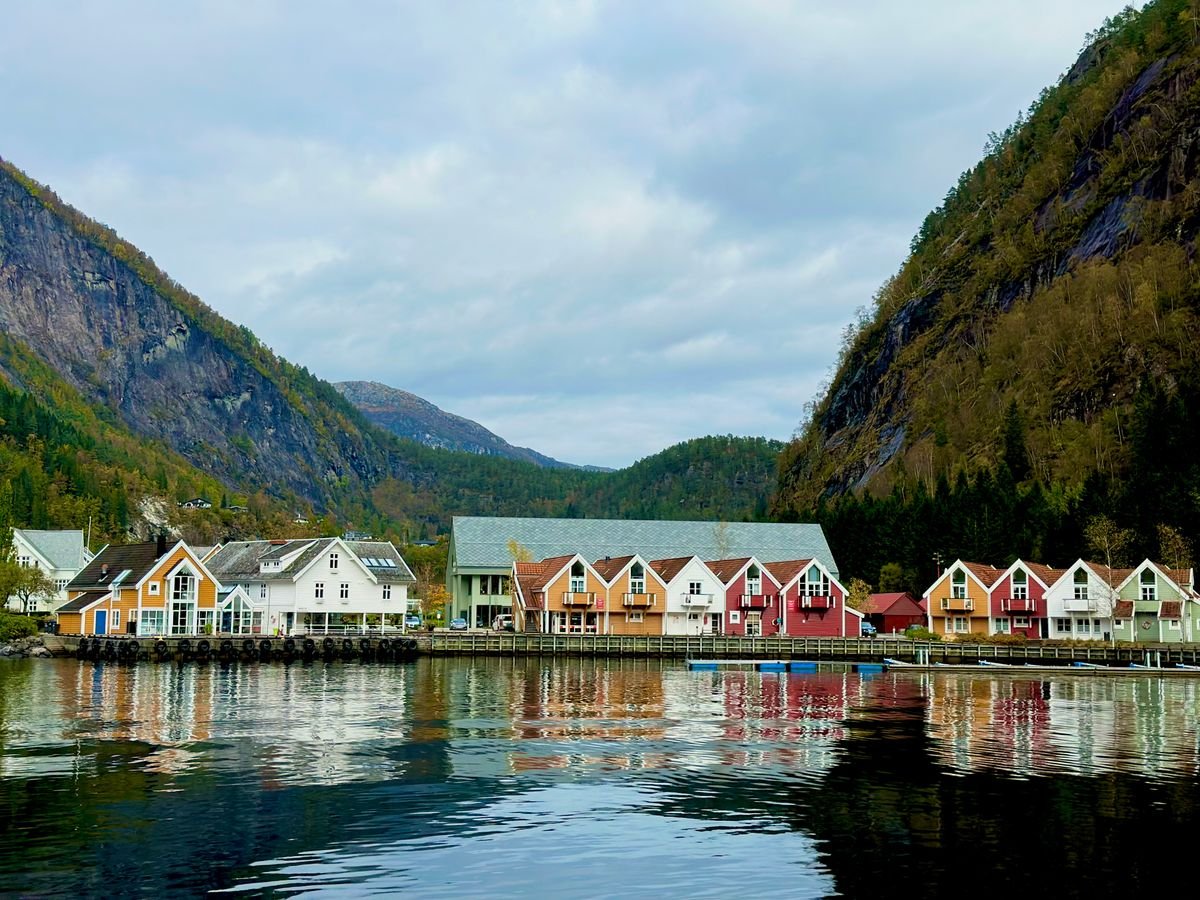
I’ve asked myself more than once whether hostels are worth it, and a night in a small fjord town in Norway is what finally answered it. I booked the hostel mostly because the hotels nearby were absurdly expensive, not because I actually wanted the hostel experience. I pictured a cramped dorm room and earplugs. What I got instead was a private room with a view of the water and a kitchen where I ended up cooking dinner with three strangers. They became genuinely good travel company for the next two days, and the bill was a fraction of what the hotel across the street was charging.
That trip rewired how I think about hostels. They’re not just a backpacker rite of passage or a last resort when you’re broke — for the right trip, they’re often the better option, full stop. Here’s what I actually learned, including what to check before you book and where a hostel isn’t the right call.
What Hostels Actually Are Today
If your mental image of a hostel is a dozen bunk beds crammed into one room with strangers, it’s worth updating. Most hostels now offer a real range of room types. Plenty of properties — especially in expensive destinations like Norway, Iceland, and Western Europe generally — cater to solo travelers, couples, and even families who just want a cheaper, more social alternative to a standard hotel.
The common thread across modern hostels is shared space: a kitchen, a lounge, sometimes organized activities or walking tours, layered on top of whatever room type you book. That shared space is really the whole value proposition beyond just the price. Without it, a hostel is just a cheaper hotel room — with it, it’s a genuinely different kind of trip.
Types of Hostel Rooms
- Shared dorms — the classic setup, usually 4 to 12 beds per room, split by gender or mixed depending on the property, and the cheapest option by far
- Private rooms — a locked room just for you or your travel group, sometimes with a private bathroom, at a price that’s still often well below a comparable hotel
- Pod or capsule rooms — an increasingly common middle ground: your own enclosed sleeping space with more privacy than a dorm bed, without the cost of a full private room
Price generally scales with privacy: a dorm bed costs the least, a pod or capsule sits in the middle, and a private room costs the most. It still usually undercuts a comparable hotel room in the same area. Deciding which tier fits your trip is really a question of how much you value privacy versus how much you want to save.
Who Hostels Are Worth It For
- Solo travelers who want built-in social opportunities without having to work for them
- Budget-conscious trips to expensive destinations — this is exactly the Norway situation: when hotel prices are painful, a private hostel room can cut the cost dramatically
- Longer trips where kitchen access to cook your own meals adds up to real savings over time
- Anyone who values a communal atmosphere over the privacy and predictability of a hotel
It’s worth being just as clear about who they’re not ideal for: anyone who needs guaranteed quiet every night, families with very young kids who need predictable nap schedules, or travelers who specifically want a full-service experience with daily housekeeping and room service. None of that is a knock on hostels. It’s just a different kind of stay, and matching the format to the trip is most of the decision — which is really the question at the heart of whether hostels are worth it for you.
What I Loved About the Norway Hostel
The kitchen turned out to be the real highlight, not just a cost-saving feature. Grocery shopping and cooking with people I’d met a few hours earlier was a genuinely better evening than eating alone at a restaurant would have been. It’s the kind of thing that just doesn’t happen at a hotel. The common room had a similar effect — people trading recommendations for the next town over, comparing notes on hikes, splitting a taxi to a trailhead the next morning.
The private room meant I still got to close a door and have quiet when I wanted it, which was the piece I’d been most worried about going in. That combination — privacy on my own terms, social energy when I wanted it — is what changed my mind about hostels generally, not just that one stay.
None of it would have worked as well in a hotel, and that’s really the point I keep coming back to. A hotel optimizes for privacy and consistency; a good hostel optimizes for connection. On that particular trip, connection was worth more to me than an extra layer of privacy I didn’t end up needing.

Hostel vs. Budget Hotel: What You’re Actually Trading
A budget hotel gets you predictability: a private bathroom every time, consistent quiet, no shared spaces required. A hostel trades some of that predictability for lower cost and, usually, more character and community. Neither is objectively better — it depends on what you actually want out of the specific trip. A quick business-style overnight probably favors a hotel. A longer, exploratory trip to an expensive destination often favors a hostel, especially if you book a private room.
Worth being honest about the downsides too: shared spaces mean less control over noise and cleanliness than a hotel, even a well-run hostel. If you’re a light sleeper or have a low tolerance for unpredictability, that’s a real cost to weigh against the savings, not just a minor inconvenience. Weighing predictability against savings is really how you decide whether hostels are worth it for a given trip.
What to Check Before You Book
- Recent reviews, not just the overall rating — look specifically for mentions of cleanliness, noise, and staff responsiveness from the last few months
- Room type and lock details — confirm whether dorm beds have individual lockers, and whether private rooms include a private bathroom or a shared one
- Kitchen access and hours — a highlight when it’s available, genuinely disappointing when a listing implies it and it turns out to be closed or poorly stocked
- Curfews or lockout times — some hostels lock the front door overnight or close common areas at a set time, worth knowing before you plan a late arrival
Ready to compare hostels for your next trip? Search hostels and prices to see real availability and reviews.
Booking Tips to Get the Best Rate
A few habits that consistently save money without sacrificing quality:
- Book directly with the hostel when the price matches — some properties offer a small discount or free perk (like a welcome drink) for booking direct instead of through a platform, though a booking site’s reviews and filters are usually worth using to find the property first
- Travel just outside peak season — hostel prices in popular destinations swing significantly with the season, and a week or two on either side of peak can mean a meaningfully lower rate
- Book private rooms early — dorm beds tend to stay available closer to your travel date, but private rooms in popular hostels sell out first
- Check for free cancellation before committing, especially on a trip where your plans might still shift
None of these tips require sacrificing quality for price — they’re mostly just about timing and paying attention to details that are easy to skim past when you’re excited about a trip.
For more on reading reviews, cancellation policies, and what to pack, see our full guide to booking a hostel.
Safety and Security Tips
- Use the locker — bring your own small padlock just in case one isn’t provided, and never leave valuables out in a shared room
- Keep your passport and cards on you or properly locked up, not loose in an open backpack
- Choose well-reviewed properties in central, well-lit areas, especially if you’re arriving late or traveling solo
- Trust your read of the place on arrival — if something feels off, most cities have another hostel or budget option nearby
None of this is unique to hostels specifically. It’s the same baseline awareness worth applying to any shared or unfamiliar accommodation. The difference is mostly that hostels make the shared-space piece explicit up front — which if anything makes it easier to plan around than discovering it as a surprise.
If you’re traveling internationally, it’s also worth checking your destination’s travel advisories at travel.state.gov before you go.
Things I Wish I'd Known My First Time
- I didn’t bring earplugs the first time. Even in a private room, hostel walls and hallways are livelier than a hotel’s — now they’re a permanent packing list item regardless of room type.
- I assumed “kitchen included” meant fully stocked. Bring basic seasoning and oil if you’re planning to cook; most communal kitchens have pots and pans but not much else.
- I booked a dorm bed once without checking if it was mixed-gender. If that matters to you, it’s usually filterable on the booking site — worth double-checking before you book, not after you arrive.
- I showed up without checking the check-in window. Some hostels have a smaller front desk staff than a hotel and a specific check-in window rather than 24-hour reception — arriving outside it once meant waiting around with my bags for over an hour.
Frequently Asked Questions
Are hostels only for young travelers?
No — while the stereotype persists, plenty of hostels attract a genuine mix of ages, especially properties with private rooms and a more low-key atmosphere.
Is it safe to stay in a hostel alone?
Generally yes, especially at well-reviewed properties, though the same common-sense precautions that apply to any solo travel — securing valuables, choosing central locations — still matter.
Do hostels have private bathrooms?
Some do, especially with private room bookings — it varies by property, so it’s worth checking the listing rather than assuming either way.
How much cheaper are hostels than hotels?
It varies widely by destination, but in expensive cities a hostel dorm bed can run a fraction of the cheapest hotel room, and even a private hostel room is often noticeably less than a comparable hotel.
What’s the age limit for staying in a hostel?
Most hostels don’t have a strict upper age limit, though some do require guests to be at least 18, or have a minimum age for solo bookings — worth checking the specific property’s policy.
Can I book a hostel for just one or two nights?
Yes, there’s typically no minimum stay, though some hostels in remote or less-visited areas may have limited availability for very short bookings during peak season.
Are hostels worth it for every trip?
Not necessarily. Hostels tend to be worth it for solo travel, expensive destinations, and longer trips where a kitchen saves real money. They’re less worth it for a quick one-night business trip or a family that needs total privacy. The honest answer is that whether hostels are worth it depends on the specific trip, not a blanket rule.