
Best Travel Credit Cards: The Complete Guide
A good travel credit card can save you more each year than it costs. Think a free checked bag, airport lounge access, points toward a flight, and purchase protections you’d otherwise pay for out of pocket.
The tricky part is that “best” depends entirely on how you travel. I wouldn’t hand the same card to someone who flies one airline every month and someone who wants the flexibility to book any flight, any time.
This guide breaks down the best travel credit cards by category — what each one is actually good for, and how to pick the right one without paying for perks you’ll never use.
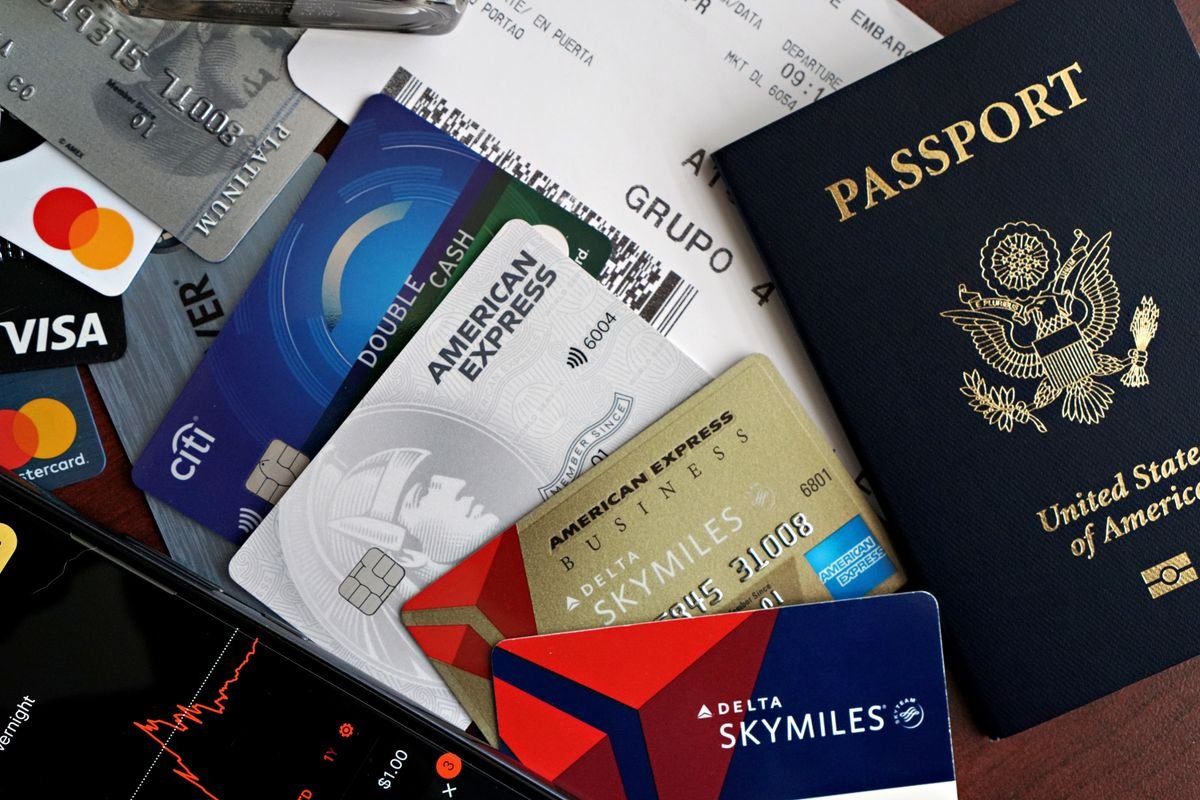
How to Choose the Best Travel Credit Cards
Before comparing specific cards, it helps to know what actually separates a good travel card from a mediocre one:
- Annual fee vs. what you’ll actually use — a high fee only makes sense if you’ll actually use the lounge access, travel credits, or elevated earning it unlocks
- Sign-up bonus value — a large bonus only helps if you can hit the minimum spend through normal spending, not by overspending to get there
- Everyday earning rate — travel is usually a small slice of your total spending, so a card that also earns well on groceries, gas, and dining pays off faster
- Redemption flexibility — points you can transfer to airline and hotel partners are generally worth more than a fixed statement credit
- Foreign transaction fees — any card you plan to use abroad should charge 0%
- Built-in protections — trip cancellation/interruption insurance, rental car coverage, and lost luggage reimbursement can offset the annual fee on their own
Best Overall Travel Card: Flexible Points
Cards built around a flexible, transferable points currency are the best all-around choice for most travelers. Chase Ultimate Rewards, Amex Membership Rewards, and Capital One Miles are three well-known examples. None of them lock you into one airline or hotel chain.
Instead, these points can be moved to a range of airline and hotel partners, redeemed through a travel portal, or in some cases used to erase travel purchases directly. That flexibility matters most if you don’t have strong brand loyalty yet, or if you split your trips across multiple airlines and hotel chains depending on price and route.
Best No-Annual-Fee Travel Card
If you’re not ready to commit to an annual fee, several no-fee cards still earn a flat rate on every purchase and charge no foreign transaction fees. That’s a real find at this price point.
They won’t come with lounge access or elevated travel credits. But for someone taking one or two trips a year, or building credit history before applying for a premium card, a no-fee card is a low-risk way to start earning travel rewards on spending you’re already doing.
Best Airline Credit Cards
Co-branded airline cards make the most sense if you consistently fly one carrier out of your home airport. Typical perks include a free checked bag for you and travel companions on the same reservation, priority boarding, in-flight discounts, and anniversary bonus miles.
Some airlines also offer companion-pass-style benefits at higher card tiers for travelers who fly frequently with a partner or family member. If you already have a preferred airline, the free checked bag alone can cover the annual fee within one or two round trips.
Best Hotel Credit Cards
Hotel-branded cards from chains like Marriott Bonvoy, Hilton Honors, and World of Hyatt typically grant automatic elite status just for holding the card. They also often include an annual free-night certificate that can be worth more than the card’s fee on its own.
Elite status from these cards often includes room upgrades when available, late checkout, and bonus points on stays. That’s valuable if you have a hotel chain you already default to when booking.

Best Premium Travel Card
Premium travel cards carry the highest annual fees but bundle in the most value for frequent travelers: airport lounge access, annual statement credits toward travel or dining, elevated earning rates on flights and hotels, and elite status with rental car and hotel partners.
These cards only make sense if you’ll actually use enough of the included credits and lounge access to offset the fee. For an occasional traveler, the math rarely works out — but for someone flying several times a year, it often does.
Best Flat-Rate Cash-Back-Toward-Travel Card
If transfer partners and bonus categories feel like too much to track, a simple flat-rate travel card is the easiest option. These cards earn the same rate on every purchase and let you redeem points to erase almost any travel charge from your statement — flights, hotels, rental cars, even rideshares.
There’s no strategy required, which makes this category a good fit for travelers who want the rewards without the homework.
How to Get the Most Out of Any Travel Card
- Pay the balance in full every month — no rewards program outearns credit card interest
- Match the redemption method to the card — transferable points are usually worth more moved to an airline or hotel partner than redeemed for cash
- Time a new application around real spending — a trip, a move, a big purchase — rather than opening a card just to chase a bonus
- Use any included Global Entry, TSA PreCheck, or CLEAR+ credit — see our guides to Global Entry, TSA PreCheck, and CLEAR+ for how each program works
- Set a reminder for your annual fee renewal date so you can decide to keep, downgrade, or cancel before it posts
What to Watch Out For
Even the best travel credit cards can work against you if you’re not careful. A few things to watch for:
- Carrying a balance — travel rewards are never worth double-digit interest charges
- Opening too many cards in a short window, which can affect approval odds
- Assuming a card’s bonus categories match your actual spending — check before applying, not after
- Letting annual fees renew on a card you’ve stopped using
Card terms, fees, and bonus offers change fairly often, so I’d confirm the current details directly with the issuer before applying.
Frequently Asked Questions
Do I need a good credit score to get approved?
Most travel rewards cards, especially premium ones, require good to excellent credit. That generally means a FICO score in the high 600s or above, with the best approval odds above 720.
Are travel credit card points worth more than cash back?
It depends on how you redeem them. Transferring points to airline or hotel partners for a premium flight or hotel stay is usually where they’re worth the most; redeeming for a flat statement credit is usually worth the least.
Will opening a travel card hurt my credit score?
Applying triggers a hard inquiry, which typically dips your score by a few points. It usually recovers within a few months of normal, responsible use.
Can I have more than one travel credit card?
Yes — many frequent travelers carry two or three cards to cover different categories, though individual issuers set their own application limits.
What happens to my points if I close the card?
Points tied to a specific card are often forfeited when you close it, so redeem or transfer your balance before canceling.